
In today’s highly competitive mortgage industry, favorable interest rates and a broad selection of loan products are no longer enough to distinguish one mortgage professional from another. While pricing and loan options remain important, borrowers increasingly remember how they were treated throughout the lending process. Exceptional communication has become one of the most valuable assets a mortgage broker or loan officer can offer.
Whether you’re working with first-time homebuyers, repeat homeowners, or real estate investors, implementing a structured communication strategy can improve operational efficiency while strengthening long-term client relationships.
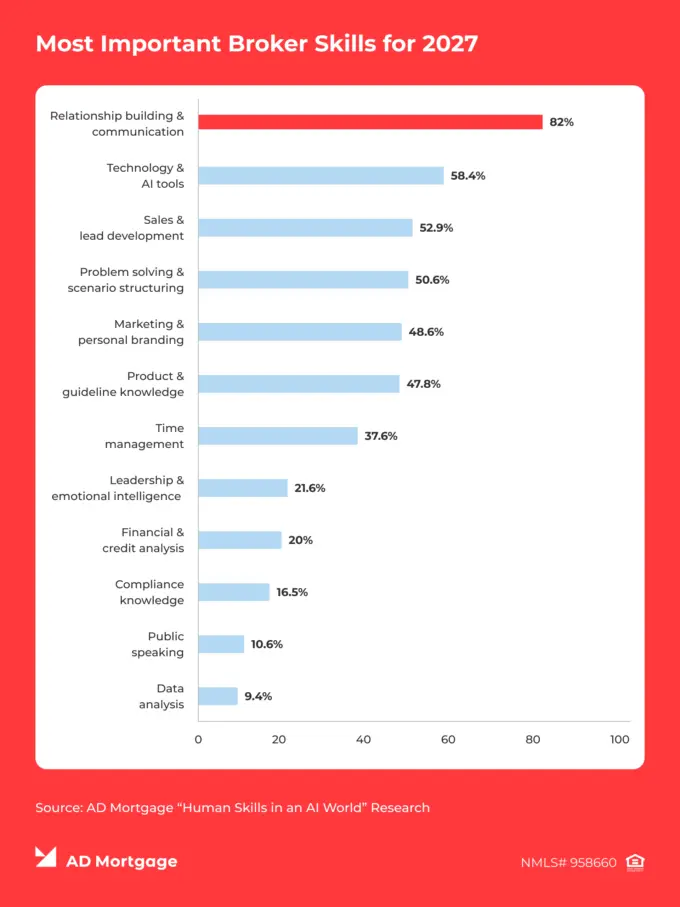
For many borrowers, purchasing or refinancing a home represents one of the largest financial decisions they will ever make. The mortgage process can feel overwhelming, particularly for first-time homebuyers who may be unfamiliar with industry terminology, documentation requirements, and underwriting procedures. Even experienced buyers often have questions or concerns as they navigate changing market conditions, loan guidelines, and closing timelines.
Clear, consistent, and proactive communication helps reduce uncertainty, builds confidence, and creates a smoother lending experience from application to closing. It also minimizes delays caused by missing documentation, misunderstandings, or unanswered questions. More importantly, borrowers who feel informed and supported throughout the process are more likely to leave positive reviews, refer family and friends, and return for future financing needs.
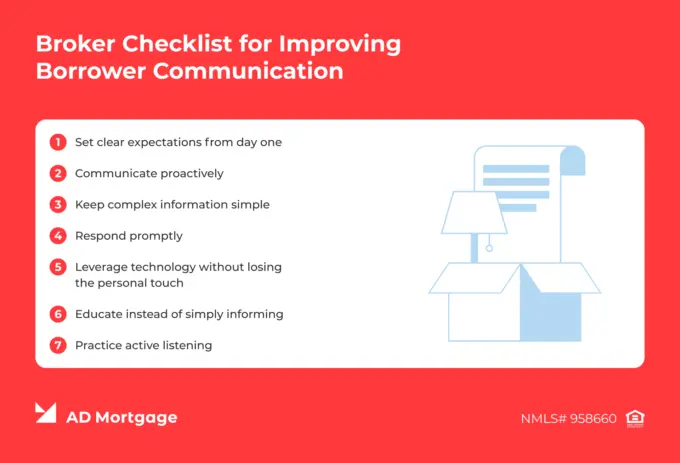
1. Set Clear Expectations from Day One
The borrower experience begins with the very first conversation. One of the most effective ways to reduce stress and confusion is by setting realistic expectations from the start.
Take time during the initial consultation to explain the overall mortgage process, including each major milestone from pre-approval through closing. Outline estimated timelines, discuss the documentation that will be required, and explain what borrowers can expect during underwriting.
When borrowers understand the process before it begins, they are less likely to become anxious when requests for additional documentation arise. They also develop a better appreciation for why certain steps take time.
Providing a simple roadmap of the loan process can significantly improve communication. Borrowers who know what comes next are more likely to respond quickly to requests and stay engaged throughout the transaction.
Setting expectations also includes discussing potential challenges. While every loan professional hopes for a smooth transaction, unexpected issues sometimes occur. Being transparent about possible delays or additional underwriting conditions helps borrowers remain calm if obstacles arise later.
2. Communicate Proactively
One of the biggest frustrations borrowers experience is feeling left in the dark. Long periods without communication often cause unnecessary anxiety, even when the loan is progressing exactly as expected.
Rather than waiting for borrowers to ask for updates, successful mortgage professionals communicate proactively throughout the process.
Even brief updates like the following can reassure borrowers:
- Your application has been submitted.
- Your appraisal has been ordered.
- Underwriting is currently reviewing your file.
- We’re waiting for one final document.
- Closing is on schedule.
Regular communication demonstrates professionalism, organization, and attention to detail. It reassures borrowers that their loan remains a priority and minimizes inbound phone calls asking for status updates.
Many lenders now use automated notifications to keep borrowers informed. While automation can improve efficiency, personalized communication during key milestones remains extremely valuable. A short phone call or personalized email often creates a stronger impression than an automated message alone.
Consistency matters more than frequency. Borrowers simply want to know that someone is actively managing their loan.
3. Keep Complex Information Simple
Mortgage lending involves numerous financial and legal concepts that may be unfamiliar to borrowers. Terms like debt-to-income ratio, loan-to-value ratio, escrow accounts, underwriting conditions, discount points, and debt reserves can quickly become overwhelming.
One of the hallmarks of an outstanding loan officer is the ability to explain complicated topics in simple, easy-to-understand language.
Instead of relying on industry jargon, focus on practical explanations.
For example, rather than saying, ‘Your file is currently in underwriting pending conditional approval,’ you might explain:
‘Our underwriting team is reviewing your application. They’ve approved most of your information but need a few additional documents before issuing final approval.’
Similarly, instead of discussing debt-to-income ratios using technical calculations, explain how lenders compare monthly debt payments to monthly income to determine affordability.
Simple explanations reduce confusion, improve borrower confidence, and help clients make informed decisions throughout the lending process.
When borrowers understand why documents are requested or why certain requirements exist, they are generally more cooperative and responsive.
4. Respond Promptly
Today’s borrowers expect timely communication. In an era of smartphones, email, and instant messaging, waiting several days for a response can create unnecessary frustration.
While immediate answers are not always possible, acknowledging a borrower’s message quickly goes a long way toward building trust.
If additional research is required, let the borrower know you received their question and provide a realistic timeframe for a complete response.
For example:
‘I received your email and I’m confirming the details with underwriting. I’ll update you by tomorrow afternoon.’
This simple acknowledgement reassures borrowers that their concerns are being addressed.
Prompt communication also helps keep transactions moving forward. Delays in answering questions can lead to postponed document submissions, appraisal scheduling issues, or extended closing timelines.
Establishing internal response standards – such as returning calls within one business day or responding to emails within a few hours – can improve both customer satisfaction and operational efficiency.
5. Leverage Technology Without Losing the Personal Touch
Technology has transformed the mortgage industry over the past decade. Digital applications, secure document portals, electronic signatures, automated document requests, and online loan tracking have streamlined the lending process for both borrowers and mortgage professionals.
These tools improve convenience while reducing paperwork and processing time.
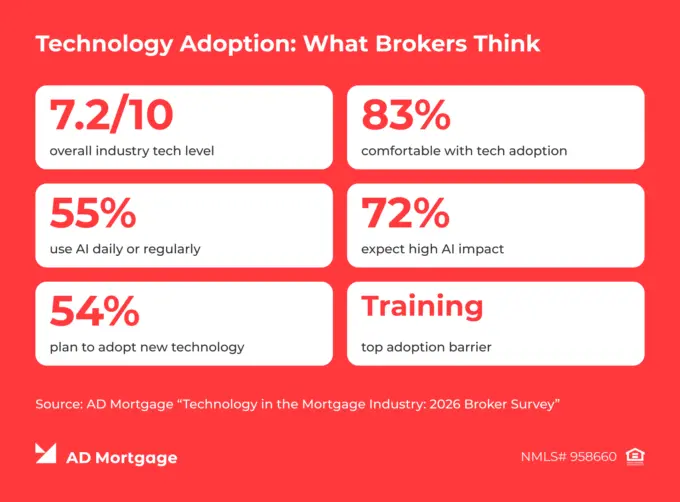
However, technology should enhance the borrower experience – not replace personal interaction.
Many borrowers still appreciate speaking with a knowledgeable professional during important milestones, especially when making major financial decisions.
A quick phone call after loan approval, a personalized email before closing, or a follow-up message after funding demonstrates genuine care and professionalism.
Successful mortgage professionals find the right balance between efficiency and relationship building.
Automation works well for routine updates, appointment reminders, and document requests. Personal communication is most valuable when borrowers have questions, receive important decisions, or experience unexpected challenges.
Combining technology with authentic customer service creates a more satisfying and memorable borrower experience. AD Mortgage is positioned as the Lender of Choice that helps brokers win exactly because of that – we offer our partners both innovative solutions for efficient workflow and 24/7 consistent support.
6. Educate Instead of Simply Informing
Providing updates is important, but educating borrowers creates even greater long-term value.
Every interaction presents an opportunity to help clients better understand the mortgage process.
Instead of simply requesting additional documentation, explain why it’s needed.
For example, if underwriting requests updated bank statements, explain that lenders must verify sufficient assets and ensure no significant financial changes have occurred before closing.
Similarly, borrowers often benefit from learning how interest rates are determined, why credit scores matter, or how escrow accounts function after closing.
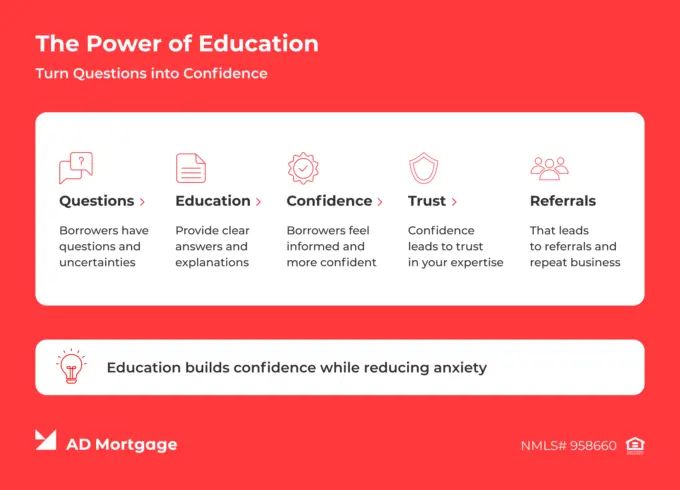
Education builds confidence while reducing anxiety.
Borrowers who understand the reasoning behind lender requirements are more likely to cooperate promptly and feel comfortable throughout the transaction.
Educated borrowers also become better long-term clients. They are more likely to return for future purchases, refinancing opportunities, or investment properties because they trust both the process and the professional guiding them.
7. Practice Active Listening
Communication is not only about sharing information – it also involves listening carefully.
Every borrower has different financial goals, concerns, and levels of mortgage knowledge. Some prioritize obtaining the lowest possible interest rate, while others value lower monthly payments, flexible loan terms, or a faster closing timeline.
By asking thoughtful questions and listening attentively, mortgage professionals can better understand each client’s priorities.
Active listening also helps identify concerns before they become larger problems. Borrowers who feel heard are more likely to trust recommendations and remain engaged throughout the lending process.
Taking a few extra minutes to understand a borrower’s unique situation often leads to stronger relationships and more personalized service.
Why Great Communication Builds Long-Term Success
Excellent communication does more than help close individual loans – it creates lasting business success.
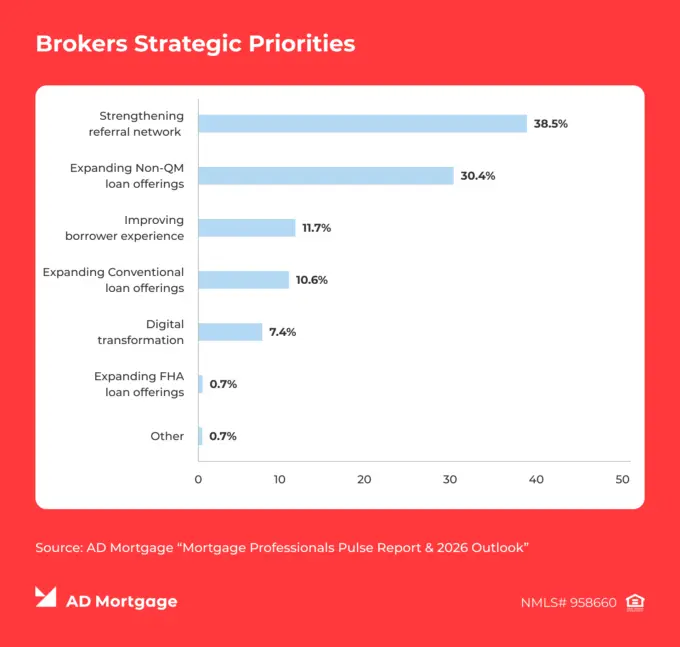
Mortgage professionals invest significant time and resources generating new leads. However, retaining satisfied clients and earning referrals often provides a much higher return on investment.
Borrowers rarely remember every document they submitted or every underwriting condition they satisfied. They do remember how they were treated.
Clients are far more likely to recommend mortgage professionals who communicated consistently, explained the process clearly, responded promptly, and made a stressful experience feel manageable.
Strong communication also enhances online reviews, strengthens relationships with real estate agents, and builds a positive reputation within the community.
As the mortgage industry continues to evolve through new technologies, changing regulations, and shifting market conditions, communication remains one of the few competitive advantages entirely within a loan officer’s control.
In an industry where many loan products and interest rates are increasingly similar, the experience borrowers have with their mortgage professional often becomes the deciding factor. Brokers and loan officers who communicate clearly, educate consistently, and genuinely listen to their clients don’t just close more loans – they build relationships that generate referrals, repeat business, and long-term trust.
AD Mortgage helps brokers win more business through award-winning technology and lending solutions, as well as consistent support and a ‘Can Do’ attitude among its Account Executives.
The article is written by Omar Garcia, Mortgage Professional from EHG Lending.