Beyond the DSCR: How Proactive Loan Management Makes the Difference in Investor Financing
In today’s mortgage market, successfully closing an investment property loan requires much more than finding a competitive interest rate. It requires understanding the borrower’s investment strategy, anticipating underwriting challenges, and knowing how to respond when a transaction doesn’t go exactly as planned.
As a mortgage broker specializing in investment property financing, I’ve learned that some of the biggest challenges aren’t necessarily related to the borrower’s credit or financial strength. Sometimes, a small adjustment in how a property is evaluated can completely change the economics of a loan.

The Impact of DSCR on Loan Pricing
Debt Service Coverage Ratio (DSCR) loans have become an essential financing option for real estate investors because they focus primarily on a property’s rental income rather than traditional personal income documentation.
However, one of the most important details brokers must understand is how sensitive DSCR pricing can be to changes in property expenses.
Property taxes, insurance premiums, and rental income calculations can all affect the final ratio. In some cases, a relatively small adjustment can push the DSCR below a critical pricing threshold, resulting in significantly higher borrowing costs.
AD Mortgage offers DSCR loan programs. Explore program details:
A Real-World Challenge
I recently worked on a transaction where a difference in the property tax calculation caused the DSCR to fall below 1.00, significantly increasing the cost of the interest rate.
The challenge was that this change became apparent very close to closing, leaving limited time to evaluate alternative solutions.
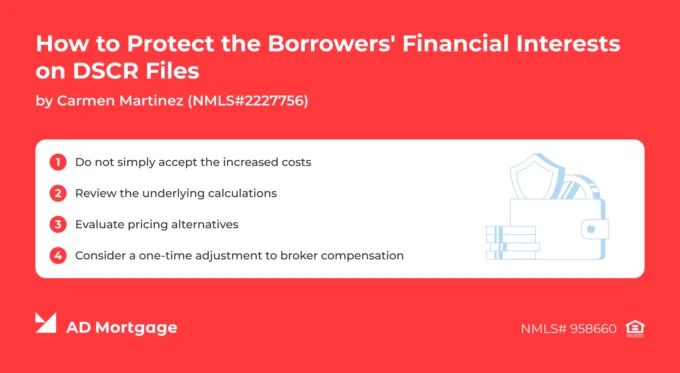
Rather than simply accepting the increased costs, we explored multiple ways to protect the borrower’s financial interests, including reviewing the underlying calculations, evaluating pricing alternatives, and considering a one-time adjustment to our broker compensation.
Experiences like this reinforce an important lesson: a broker’s responsibility doesn’t end when the loan is submitted. Some of our most valuable work happens between underwriting approval and closing.
Three Lessons for Mortgage Brokers
- Verify property expenses early. Never rely exclusively on preliminary estimates. Review property taxes, insurance, and any expenses that could materially affect the qualifying DSCR.
- Monitor changes throughout underwriting. A loan that qualifies at submission may experience changes in pricing or eligibility as documentation is reviewed. Staying proactive helps prevent last-minute surprises.
- Always have an alternative strategy. Whether that involves restructuring the loan, reviewing available programs, adjusting compensation, or working with the lender on possible solutions, flexibility is essential.
The Value of Strong Broker-Lender Partnerships
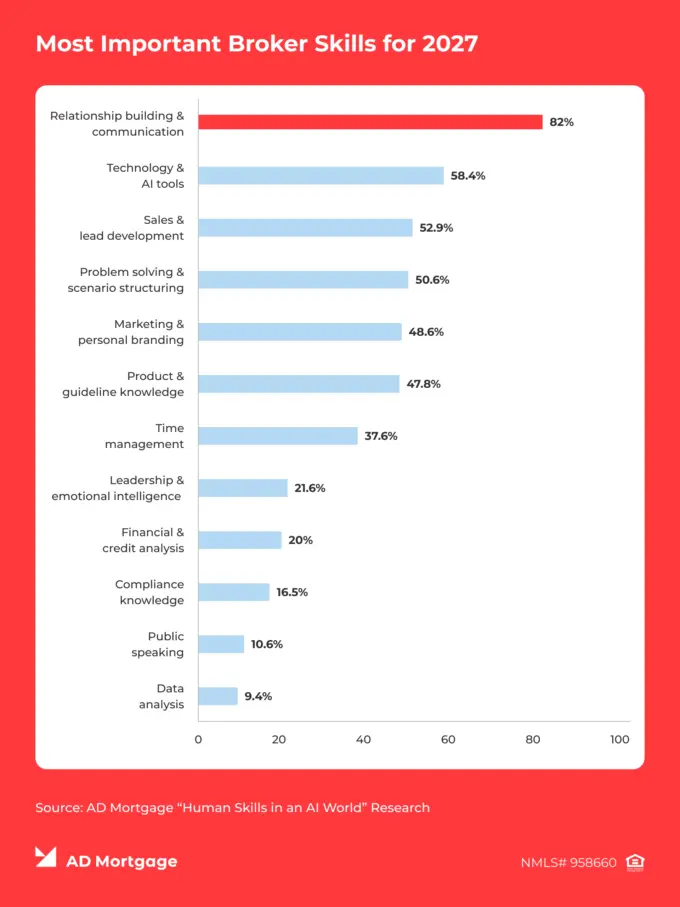
Technology and communication play an increasingly important role in mortgage lending.
Automated notifications when critical loan metrics change, timely underwriting feedback, and transparent pricing updates can make a tremendous difference in a broker’s ability to respond quickly.
Ultimately, lenders and brokers share the same goal: helping qualified borrowers reach the closing table with financing that supports their long-term objectives.
Final Thoughts
The most successful mortgage brokers aren’t simply those who find the lowest rate. They are the ones who understand the details, identify potential problems before they become obstacles, and remain actively involved in protecting their clients throughout the transaction.
In investor financing, knowledge, communication, and adaptability can make the difference between a loan that falls apart and one that successfully closes.
This article was written by Carmen Martinez (NMLS#2227756), Founder and Loan Originator, Lendara Mortgage Group (NMLS#2748464).