
The Part of the Business Nobody Teaches You

When I got into mortgages, I thought the job was rates, guidelines, and getting files to close. Learn the products, know the overlays, hustle for referral partners, and the rest would follow. That is what everybody told me, and for a while I believed it.
What I figured out the hard way is that the actual business is people. Scared people, usually. People who are about to sign the biggest check of their lives and who have no idea what half the paperwork means. How you treat those people, and what they say about you afterward, is what decides whether you are still doing this in ten years or whether you have quietly moved on to selling insurance.
Here is what I wish somebody had sat me down and explained.
Nobody Remembers Your Rate
I have closed loans where I beat the competition by a quarter point, and the client never mentioned it again. I have also closed loans at a slightly higher rate where the borrower sent me a Christmas card three years later.
The difference was not the number. It was whether they felt like somebody was on their side.
Think about what a borrower actually goes through. They get pre-qualified, they fall in love with a house, they go under contract, and then for thirty to forty-five days their whole life is in the hands of a person they met once. Every day they do not hear from you, they are wondering if something went wrong. Every request for one more bank statement feels like a red flag. The underwriter asks for a letter of explanation on a $400 deposit and the borrower thinks the deal is dead.
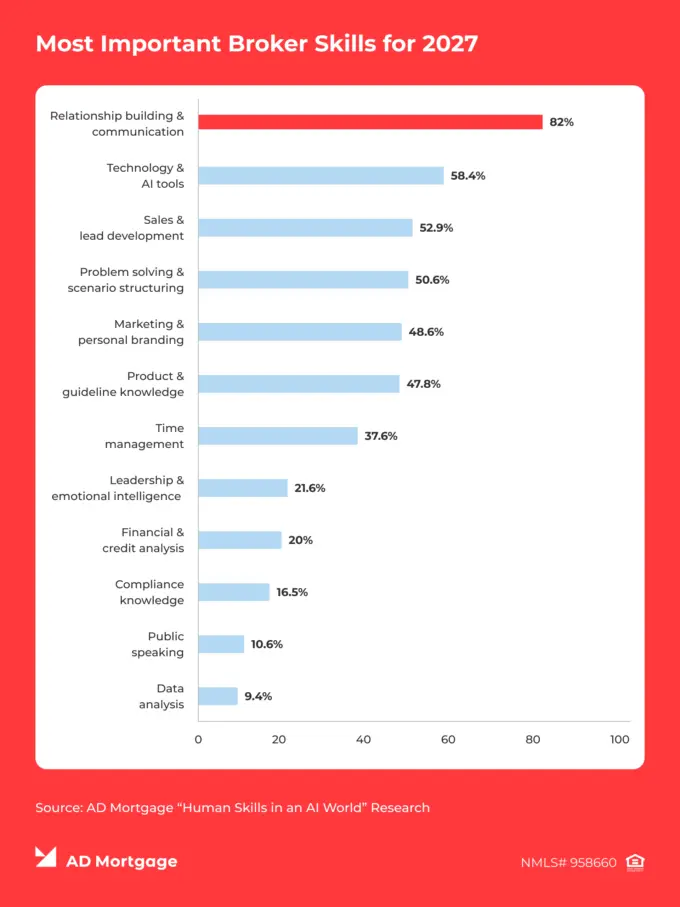
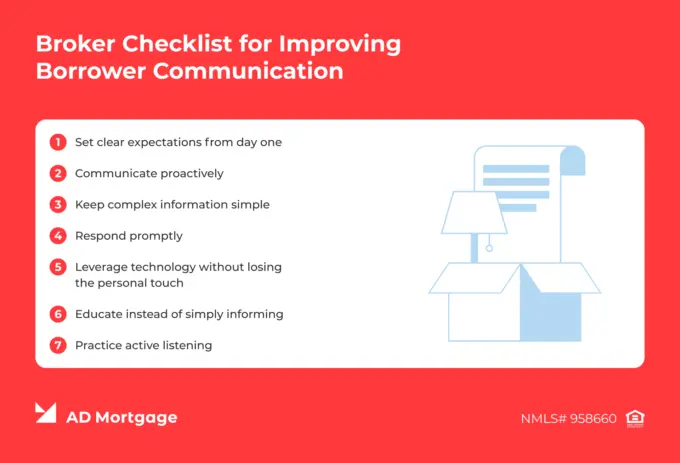
Most of that anxiety is avoidable. Not by doing anything heroic, just by communicating. A Tuesday afternoon text that says ‘nothing new, still in underwriting, expecting conditions Thursday’ does more for a client relationship than any rate sheet ever will. Silence is what kills you. People fill silence with worst-case scenarios.
Bad News Early Beats Good News Late
The other thing I learned is to call when something goes sideways, and call fast. If the appraisal comes in low, the borrower needs to hear it from me within the hour, along with what our options are. If I wait until I have ‘figured it out,’ they will hear it from their agent first, and now I look like I was hiding something.
Borrowers can handle problems. What they cannot handle is feeling like they are the last to know. Every deal has a hiccup somewhere. The clients who become raving fans are not the ones with the smoothest files, they are the ones who watched you handle the bump without flinching.
Reviews are the New Referral
For a long time, this business ran entirely on realtor referrals. Be responsive, close on time, and they send you their buyers. That still matters, and I am not telling anyone to stop doing it.
But something shifted. Now, when an agent hands a buyer my name, the first thing that buyer does is pull out their phone. Before they call me, they have already read what the last fifteen people said about me. If those reviews are thin, old, or lukewarm, the referral is worth a lot less than it used to be. If they are strong, the buyer calls me already halfway convinced.
Reviews are the compounding asset in this business. A referral gets you one deal. A review sits there and works on every person who looks you up for the next five years. I have had borrowers tell me they picked me over a lender their agent recommended because my reviews mentioned specific things, like answering on weekends or explaining the numbers without being condescending. That is not luck. That’s the result of a few years of asking.
Actually Ask
This is where most loan officers fall down, and I did too. You close the loan, everybody is happy, you send a nice email, and then you move on to the next fire. Two weeks later the client’s excitement has faded into ‘well, that was stressful,’ and the moment is gone.
The right time to ask is at the closing table or the same day. They are holding keys. They just went through something hard with you. Send the link right then. Make it one click. Do not send a three-paragraph email about how much reviews mean to your business, just say ‘It was a pleasure working with you, and if you have a minute, this would help me a lot,’ and include the link.
Most people will do it if you make it easy and ask while they still feel it. And when a review comes in, respond to it. Say thank you by name. Future borrowers read the responses too, and a lender who actually engages looks a lot different from one who does not.
What About the Bad Ones?
You will get them. A deal falls apart because of something outside your control, or someone’s expectations were never realistic, and they take it out on your Google profile.
Do not argue in the comments. Respond once, briefly, professionally, and take it offline. A calm reply to an angry review often does more for your credibility than the five-star reviews above it, because it shows people how you handle conflict. What they are really evaluating is whether you will act like an adult when things get hard.
And honestly, one or two imperfect reviews make the rest look real. A wall of nothing but perfect scores can look manufactured.
The Long Game
None of this is complicated. Return calls. Explain things plainly. Deliver bad news yourself. Ask for the review while the feeling is fresh. Do it on every file, not just the big ones.
It is slow at first. Then one day you notice that half your pipeline came in without a single referral partner, from people who found you, read about you, and decided you were the one. That is the business I wanted when I started. It just took me a while to understand how you actually build it.
The article was written by Juan Escobar, Senior Mortgage Loan Originator at Fusion Home Loans.