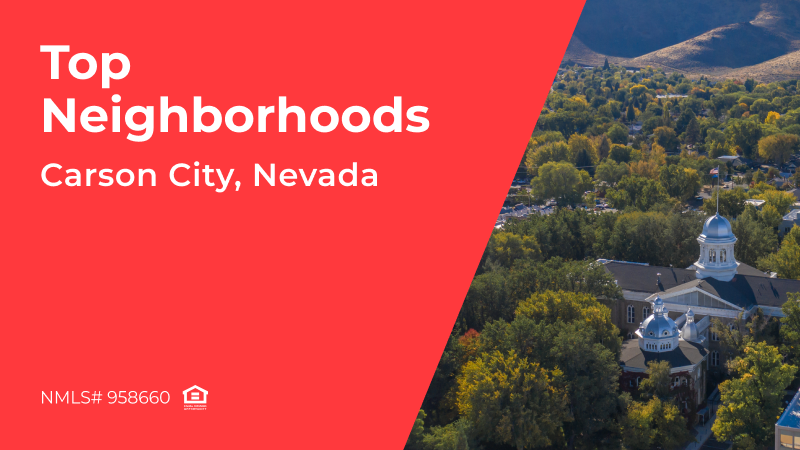
Located between picturesque Lake Tahoe and the Sierra Nevada mountains, Carson City offers the perfect surroundings for a quiet, yet urban lifestyle. Historic buildings, modern amenities, community events, and outdoor recreation create a balanced atmosphere and a high quality of life.
Many people are attracted to Nevada’s lack of state income tax, the variety of housing options, and affordable living costs, compared with many other resort areas. However, the median household income of $71,809 remains modest compared with other U.S. cities.
Carson City features a variety of neighborhoods for different tastes and lifestyles. Today, we share a list of five great areas to buy a home, live, and/or invest in Carson City.
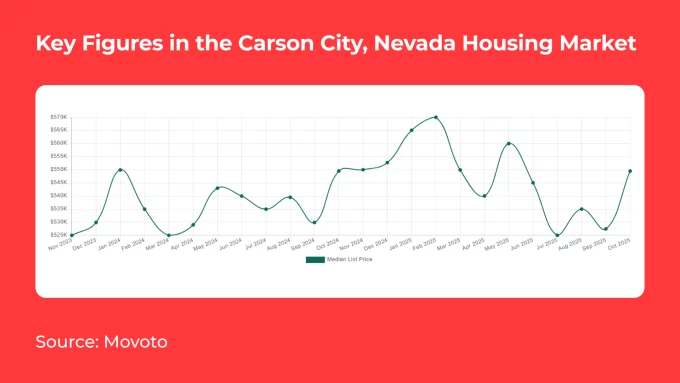
Key Figures in the Carson City, Nevada Housing Market
| Metric | Value | Source |
|---|---|---|
| Average Home Value | $485,508 | Zillow |
| Median Listing Price | $508,842 | Movoto |
| Median Sold Price | $537,500 | Realtor.com |
| Homes Sold above Listing Price | 13,7% | Zillow |
| Average Price per Square Foot | $344 | Homes.com |
| Average Home Age | 40 years | PropertyNavigator |
| Average Monthly Rent | $1,343 | Apartments.com |
| Market Speed | 31 days to pending | Zillow |
Median Listing Price in Carson City, Nevada
1. Downtown
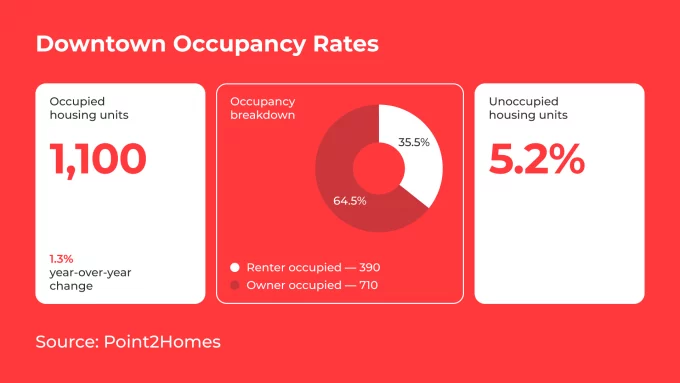
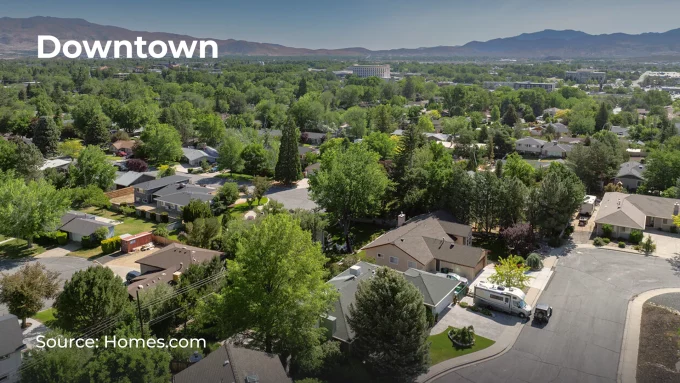
The city center carefully preserves its long history and rich culture. The state capitol campus, governmental buildings, and company offices make this place a lively hub for work, communication, and entertainment. Carson City’s center offers a developed infrastructure, with all the facilities needed within walking distance. This area is popular among working professionals, singles, and small households.
The average home price in downtown Carson City is $519,853, which is higher than the city average. Currently, the average rent price is $1,426.
- Everyday Convenience. Having lunch in one of the numerous eateries, going on a hike in a park, or attending an exhibition in a local museum – the city center offers a variety of opportunities for an active lifestyle and social interaction.
- Housing Choice. In downtown, there is a wide range of housing options to choose from, including apartments, condos, and historic single-family buildings.
- Transportation and Commute. Besides being one of the most walkable areas, downtown offers extensive availability of public transportation and easy access to main roads, such as Carson Street, U.S. Route 395, and the Interstate 580.
- Ongoing Development. The neighborhood environment is constantly improving, making the daily life of its residents more pleasant and convenient. This ongoing development adds a forward-looking perspective to the area and attracts both new residents and investors, strengthening the local housing market.
- Community Feel. Downtown often hosts local events that bring residents together and invite visitors to enjoy its welcoming atmosphere. Festivals, markets, and parades are regular happenings that contribute to the neighborhood’s friendly vibe.
2. Lakeview
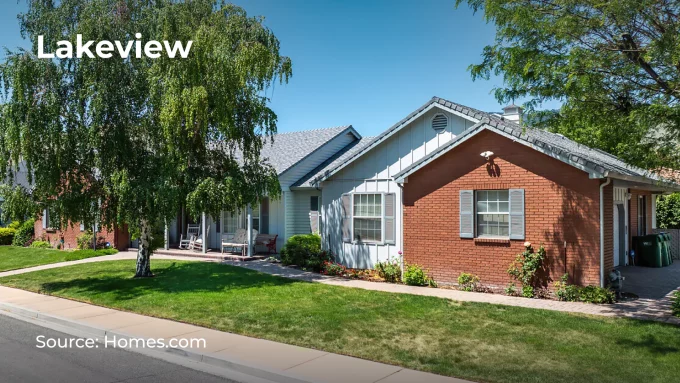
For those who enjoy being close to nature, Lakeview might be a perfect neighborhood to live in. Residents enjoy hiking and biking on nearby hills, boating or fishing at Lake Tahoe, or simply walking along its shore.
In Lakeview, upscale homes sit on larger lots, supporting a private and quiet lifestyle. The average home value here is $742,683, which is 52% higher than the city average. However, rental prices here do not vary significantly from other areas in Carson City – Lakeview’s average is $1,578.
- Outdoor Recreation. Open landscape, clear air, and green surroundings make this neighborhood especially appealing to families and retirees.
- Superior Homes. Generally, buildings in Lakeview are of higher quality – which is reflected in their price – and include modern amenities and design. Spacious lots provide enough space for pools, gardens, or playgrounds, adding to the overall comfort.
- Investment Potential. Properties in Lakeview are prestigious, with the neighborhood’s location serving as a significant advantage that supports higher long-term appreciation. Additionally, the vacancy rate is just 3.7%, helping to prevent oversupply.
- Safety and Peaceful Atmosphere. Lakeview is considered a safe neighborhood, thanks to its low traffic, suburban layout, and upscale properties.
- Proximity to Amenities. While offering all the benefits of suburban neighborhoods, Lakeview also provides easy access to everyday services and facilities, including grocery stores, schools, healthcare centers, shopping malls, and other entertainment options.
3. Northridge
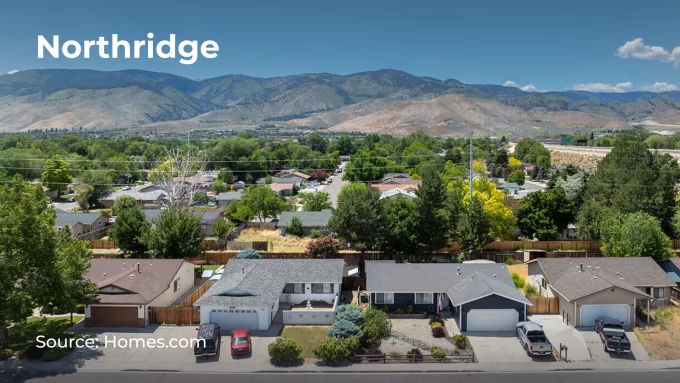
North of downtown lies the dense neighborhood of Northridge. It features a variety of single-family homes, ranging from ranch-style houses built in the 1960s to contemporary properties.
Housing prices here start at around $350,000, with an average of $440,687. The neighborhood is considered more affordable while still offering all the comfort and convenience needed for families, professionals, or retirees. Northridge can be a great entry point for first-time homebuyers.
- Convenient Location. Northridge is just a short drive from downtown amenities and provides quick access to Interstate 580 and other roads, making commuting and regional travel convenient.
- Parks and Recreation. The neighborhood is close to Mills Park and has several other green spaces within a short drive. From Northridge, residents can also easily access nearby hiking trails and sports fields.
- Balanced Lifestyle. Northridge offers the best of both worlds, combining suburban peacefulness with urban amenities. Whether residents want to dine at nearby restaurants or go biking in the hills, it’s easy to do so from this neighborhood.
- Well-Maintained Infrastructure. Although the area began developing more than 60 years ago, it continues to be renovated and improved. Therefore, public spaces in Northridge are well kept, contributing to both safety and aesthetic appeal.
- Housing Market Stability. Real estate demand in Northridge remains steady, supported by the neighborhood’s convenient location, friendly atmosphere, and overall safety. At the same time, properties here remain relatively affordable compared to many other parts of the city.
4. New Empire
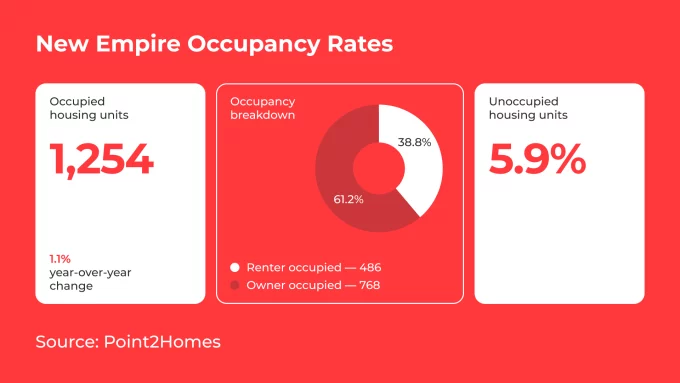
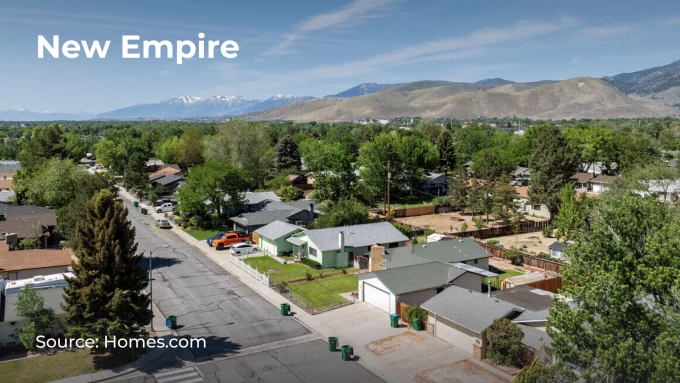
Named after the former city of Empire established in the 1860s and later absorbed into Carson City, the neighborhood now barely resembles its industrial past. Currently, this residential area near Carson City Airport is more modest compared to upscale Lakeview and more diverse in terms of housing types. Here, ranch-style single-family homes sit next to manufactured houses and condos.
The average home value in New Empire is around $395,000, but a small number of larger or upgraded properties can exceed $500,000. Renting an apartment typically costs between $1,000 and $1,500.
- Recreational Access. The neighborhood is close to golf courses, parks and walking routes near the Carson River, and horse trails. Driving to the rocky beaches of Lake Tahoe takes about half an hour.
- Suburban Feel. Despite proximity to the airport and U.S. Route 50, New Empire has a peaceful atmosphere, without the city-center hassle. Also, there are fewer commercial hubs in the neighborhood, which contributes to a quieter overall feel.
- Everyday Convenience. While being a suburban neighborhood, New Empire does not compromise on daily amenities. There are a lot of small local places, such as grocery stores and eateries, that not only provide residents with needed services but also create a strong community.
- Affordable Housing. Lower housing prices make New Empire a good entry point for first-time buyers. Additionally, properties here can be a good investment opportunity thanks to the relatively stable rental market.
- Personalization and Customization. Thanks to a wider range of housing options and typically larger lots, New Empire offers more opportunities for residents to customize their homes to their preferences. Whether installing a pool or planting a garden, it is easier to bring your ideas to life in New Empire than in other more expensive neighborhoods.
5. Capitol Village
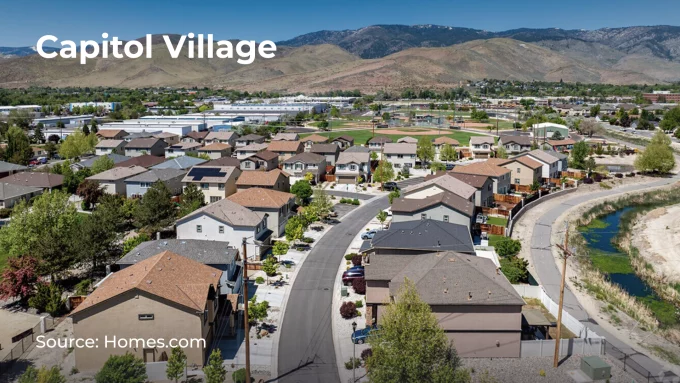
Capitol Village is a neighborhood just south of downtown, located between the governmental buildings of the city center and the residential neighborhoods. This place offers quick access to downtown amenities and workplaces, making it popular among professionals and families. The neighborhood is also diverse, including a gated 55+ community for retirees.
Capitol Village’s average home value is $415,430, with the average price per square foot of $290. The typical rental price in the neighborhood is $1,710, though smaller units are more affordable.
- Established Infrastructure. The neighborhood has well-maintained public areas and services, providing everyday convenience for the residents. Many roads and developed transport systems make commuting easy both by car and bus.
- Sports and Recreation. Capitol Village offers numerous options for an active lifestyle – a baseball field, a volleyball court, playgrounds, and hiking trails.
- Cultural Life. Downtown is bustling with events, typically held by museums or arts centers, so residents of Capitol Village have extensive opportunities to participate in local activities.
- Diverse Housing Options. Buyers get to choose from a variety of home types, including single-family homes, condos, and townhouses. Also, renting is very popular in the neighborhood – according to different estimates, over 40% of the properties in Capitol Village are rented.
- Cafes and Restaurants. In the area, residents can choose from many dining options, offering different cuisines, designs, and atmospheres. Additionally, the Carson Mall Shopping Center attracts people from Capitol Village and nearby neighborhoods with its broad selection of eateries and shops.
Conclusion
When the homebuyer has chosen the house of their dreams, it is time for the broker to guide them through the mortgage process. Submit a loan scenario to get a tailor-made solution by AD Mortgage’s experts. In case of any questions, feel free to contact our team.
Read More: Find Your Dream Place!
Arizona | Arkansas | California | Colorado | Florida | Georgia | Iowa | Indiana | Kansas | Maine | Massachusetts | Maryland | Michigan | Western Michigan | Minnesota | Montana | Nebraska | Nevada | New Hampshire | New Jersey | New York | North Carolina | Ohio | Oklahoma | Oregon | Rhode Island | South Carolina | Tennessee | Victoria, Texas | Texas | Provo, Utah | Utah | Vermont | Virginia | Washington | West Virginia | Wisconsin | Cheyenne, Wyoming | Wyoming